Following on from the success of the Bugs on the Brink project, the DPLUS040 continued to build on the findings of the project and determine species abundance, diversity and distribution over a longer period of time than had been carried out before.
The project looked to answer 5 main questions:
- What are the impacts of invasive predatory species on native invertebrate species and habitat?
- What are the effects of seasonality on invertebrates?
- What are the effects of conservation efforts for habitats on invertebrates?
- What are the invertebrate diversity and abundance differences between natural, restored and non-native habitats?
- What are the assessments made on shifts in distribution of invertebrates attributable to global warming?
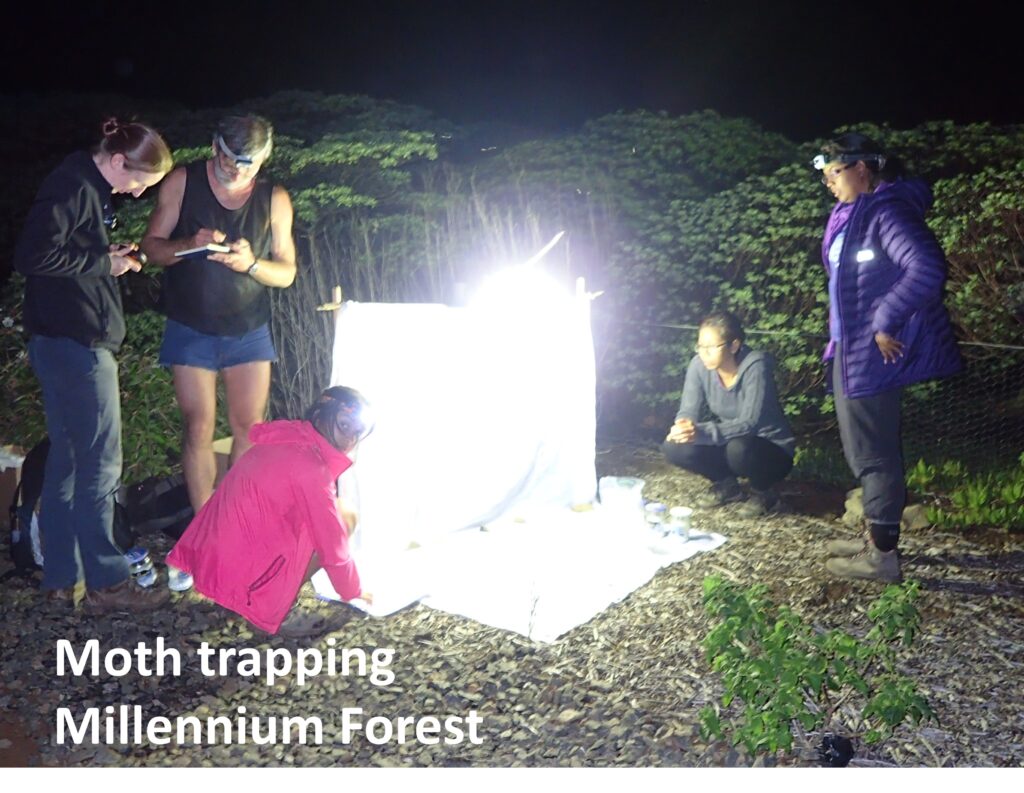
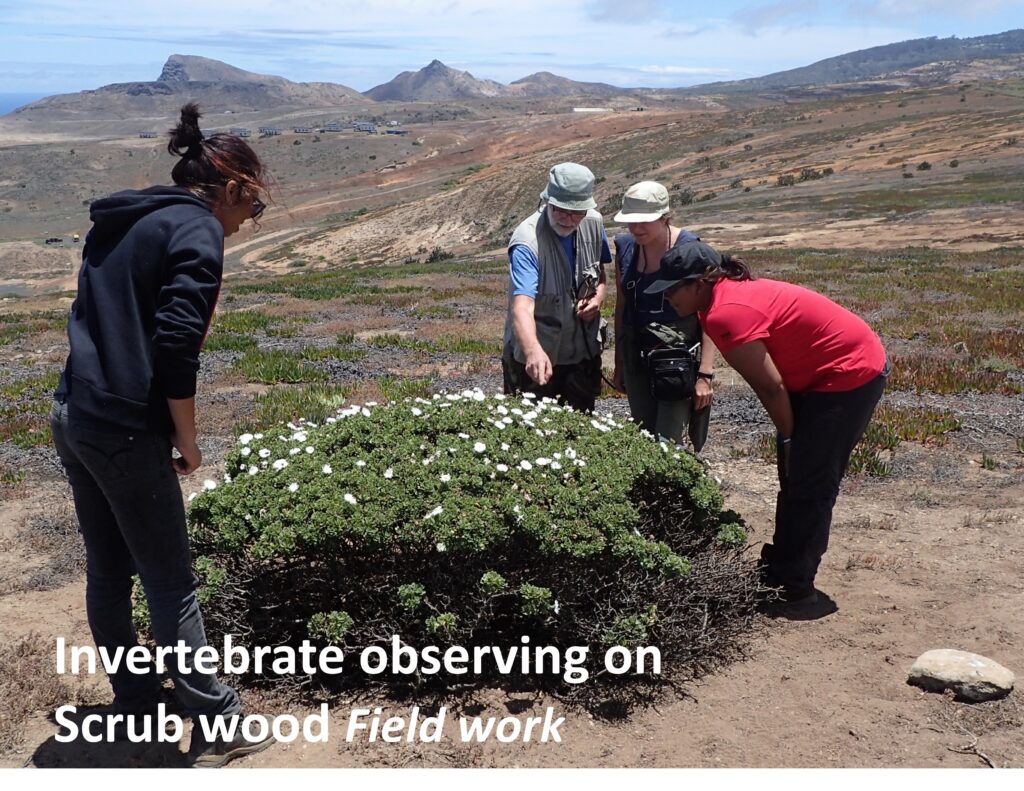
During the project several methods were used for invertebrate trapping; Malaise traps, pitfall traps and targeted hand or sweep net searches including opportunistic observations.
Seventeen distinct habitats were selected for malaise traps across St Helena, encompassing both native and non-native vegetation and a range of elevations. In total 25 malaise traps were deployed with 23 traps used for the total 10 month duration.
At the end of the trapping over 81,000 individual specimens were identified to 339 species and 113 endemic species were recorded representing 0.33% of all species recorded.
The data collected during the project has been able to help answer the five research questions.
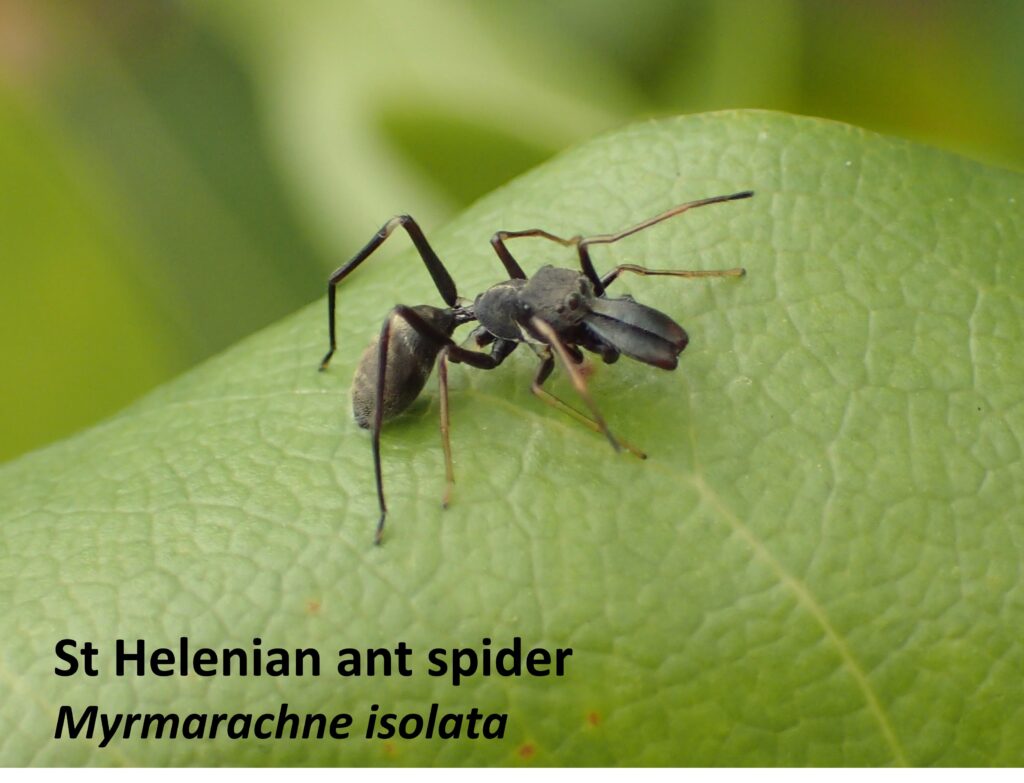
- The project, although unable to give conclusive links of predatory species’ food sources, the results provide important base information including key locations.
- St Helena has very localised weather with parts of the island having very different weather to other parts of the island. From the results it was found that the highest proportion of Lepidoptera occurred in April and May, Hemiptera peaked in May and the highest number of Diptera occurred in April.
- So far conservation efforts have focused on restoring and augmenting areas of native vegetation. The project has also shown that non-native habitat can be just as valuable to invertebrates on St Helena. The outcome of the project advised on a greater focus placed on the invasive invertebrates, vertebrates, plants and diseases to see if they are affecting the numbers of endemic invertebrate species through predation and loss of habitat.
4. The project found that restored habitat areas had the greatest diversity of endemic invertebrates however the natural and non-native habitats also have a diverse range of endemic species. Across the island the most abundant species was an undescribed leafhopper, a marbled brown species which is thought be an African species that has recently colonised the island as there are no records prior to 1994.
5. Climate change may favour invasive flora and fauna over endemic and resident species and a threat to ecosystems and habitats. Additionally, 62% of St Helena’s endemics are reliant on the cloud forest with mist accumulate bringing 290 days of overcast conditions and 1050 mm of rain each year. The change in temperature could create an altitudinal shift in vegetation zones.
Overall, the project was a success, answering the aims that were initially set out and collecting a large amount of baseline data that will help to shape future projects and research. The final project report can be found below as well as the link to the Darwin Reports.
Funder Report: Defra, UK Darwin Initiative: The Darwin Initiative – DPLUS040
Project Partner: