It is important to conserve our natural habitats and unique species
St Helena is home to a whole host of beautiful unique creatures – and we frequently discover more!
St Helena’s isolation and its rugged terrain have been the saviour of a few fragments of the original natural habitats and a wealth of their constituent species. In some places species have adapted to the new habitats – like the Wirebird is seen today in livestock pastures, on the Golf Course, and on the sports fields of Francis Plain. In others, tiny fragments of habitat persist such as the Peak Dale Gumwoods, and Tea Plant on the edge of the Man and Horse cliffs. The seabird colonies nesting on the coastal cliff tops provides us welfare warnings on the health of our surrounding ocean.
Ever since the order was given to wall off the Gumwoods of the Longwood area, there have been concerns from the community along with a few dedicated individuals who have been able to see that lack of action would mean the complete loss through extinction of these relics of the past.
Here we showcase the efforts made by the Trust to help conserve these fragments of our living heritage.

Terrestrial Conservation
Over the past 20 years we have had great success in terrestrial conservation, including species recovery of the endemic wirebird, conservation of endemic invertebrates, and stewardship of the Millennium Forest.
Marine Conservation
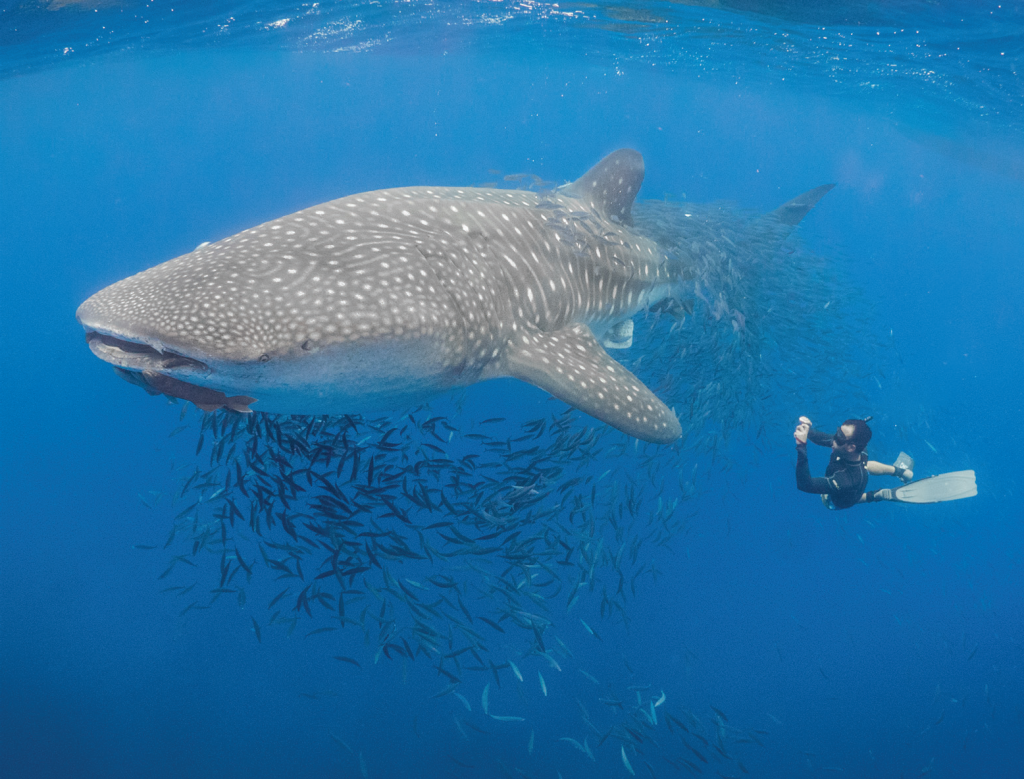
We have recently included marine conservation into our remit, focusing on whale shark research, seabird monitoring and marine pollution.